
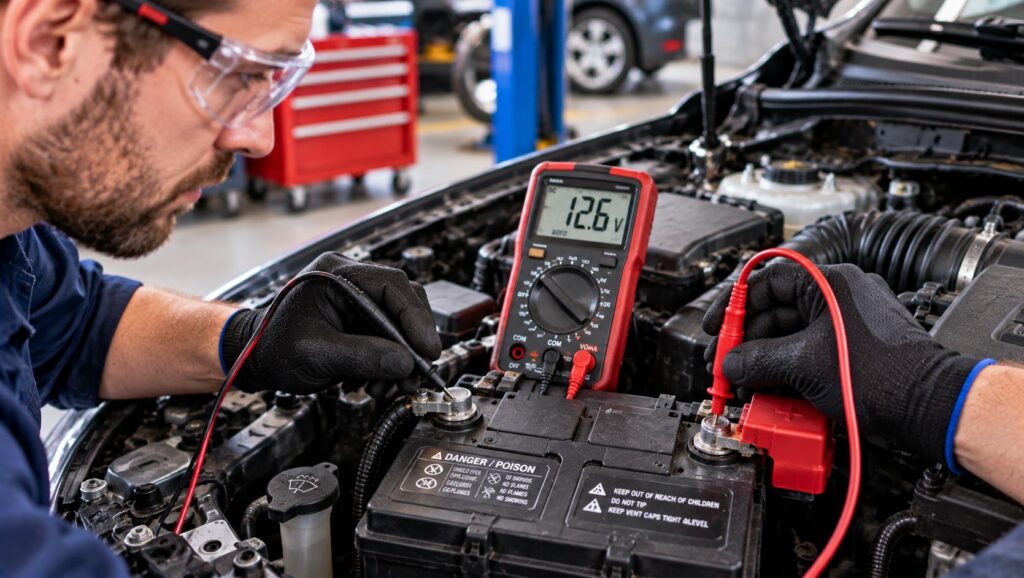
Modern cars depend on electricity for much more than starting the engine. From advanced safety systems and touchscreen displays to remote access features and electronic control modules, today’s vehicles rely on a stable electrical supply. That makes 12-volt battery maintenance an important part of keeping modern cars dependable, including many hybrid and electric vehicles.
Why Modern Cars Need 12-Volt Battery Maintenance
Many drivers associate a dead battery with an older car that refuses to start. However, 12-volt battery problems are still common in newer vehicles, even those equipped with sophisticated electronics and large high-voltage battery packs.
As automotive technology advances, the electrical demands placed on vehicles continue to change. Modern cars may contain numerous computers, sensors, communication systems, and convenience features that require power even when the engine is not running.
Although many vehicles are designed to manage these demands automatically, the low-voltage battery remains an essential component. When it becomes weak, drivers may experience unexpected warning messages, unreliable starting, electronic malfunctions, or difficulty activating the vehicle.
Understanding how the 12-volt battery works can help drivers recognize developing problems and make better maintenance decisions.
Why Modern Cars Still Need a 12-Volt Battery
 In a traditional gasoline vehicle, the 12-volt battery supplies the electrical energy needed to operate the starter motor. Once the engine is running, the alternator provides electrical power and recharges the battery.
Modern vehicles use the same basic concept, but the battery also supports numerous electronic systems. These may include infotainment equipment, door locks, lighting, control modules, security systems, and vehicle communication networks.
Many hybrids and electric vehicles also use a separate low-voltage battery. Although their high-voltage traction batteries supply energy for propulsion, the low-voltage system typically supports essential electronics and helps activate vehicle systems.
For example, an EV may have substantial charge remaining in its main battery but still experience problems entering its ready-to-drive state if the low-voltage electrical system cannot operate correctly.
This distinction is important because a 12-volt battery problem is different from a high-voltage traction battery problem. The two systems serve different purposes and require different diagnostic procedures.
Common systems supported by low-voltage power include:
- Vehicle control modules and computers
- Interior and exterior lighting
- Door locks and security systems
- Infotainment and navigation equipment
- Electronic sensors and communication modules
- Starting systems in gasoline vehicles
- Vehicle activation controls in many hybrids and EVs
Why Newer Cars Can Be Sensitive to Weak Batteries
Modern vehicles depend on electronic modules communicating with one another. These modules often require stable voltage to operate correctly.
When battery voltage becomes too low, some electronic systems may behave unpredictably. Drivers might notice multiple dashboard warnings, intermittent electronic features, or difficulty starting the vehicle.
A weak battery does not necessarily mean that every warning represents a separate component failure. In some cases, unstable voltage can contribute to communication faults or electronic errors.
However, technicians should never assume that every electrical warning is caused by the battery. Proper testing is needed to determine whether the problem involves the battery, charging system, wiring, electronic modules, or another component.
This connects with our article on digital vehicle diagnostics, which explains how electronic information is becoming increasingly important in modern automotive repair.
How Start-Stop Technology Changes Battery Demands
Many gasoline-powered vehicles now use automatic start-stop systems. These systems can shut off the engine during certain stops and restart it when the driver prepares to move.
Because the engine may restart repeatedly during normal driving, the electrical system must be designed to handle additional operating demands.
Vehicles with start-stop technology often use enhanced flooded batteries, commonly called EFB batteries, or absorbed glass mat batteries, known as AGM batteries. These designs can offer improved cycling performance compared with conventional flooded batteries.
However, battery requirements vary by manufacturer. Installing an unsuitable replacement may lead to reduced battery life, unreliable start-stop operation, or electrical system concerns.
Some vehicles also require battery registration or battery-management-system resetting after replacement. This procedure helps the vehicle recognize the new battery and manage charging appropriately.
Why EVs Can Have 12-Volt Battery Problems
Electric vehicles eliminate the traditional gasoline engine and starter motor, but many still rely on low-voltage batteries to power control systems.
Instead of using an engine-driven alternator, an EV typically uses a DC-to-DC converter to supply low-voltage power from the high-voltage electrical system.
Depending on the vehicle, the low-voltage battery may be charged while driving, charging, or under certain parked conditions.
Problems can occur if the battery deteriorates, the charging system malfunctions, or electrical accessories consume more energy than expected.
For drivers interested in other EV maintenance considerations, our article on EV battery health explores the larger traction battery and the factors affecting its performance.
Warning Signs of a Weak 12-Volt Battery
Battery problems do not always begin with a vehicle that refuses to start. In many cases, drivers notice smaller changes before complete failure occurs.
A gasoline vehicle may crank more slowly than usual. Headlights may appear dim when the engine is off, or electronic accessories may operate inconsistently.
In hybrids and EVs, symptoms can be different because the low-voltage battery may not operate a conventional starter motor.
Possible warning signs include:
- Slow or difficult engine starting
- Repeated clicking when attempting to start
- Intermittent dashboard warning messages
- Electronic features operating inconsistently
- Difficulty unlocking or activating the vehicle
- Dim interior or exterior lighting
- Visible corrosion around battery terminals
- Frequent need for jump-start assistance
These symptoms can also result from other electrical or mechanical problems. A professional battery and charging-system inspection can help identify the cause.
How Technicians Test Modern Car Batteries
 Battery testing involves more than checking whether the vehicle starts. A battery may have enough energy for one successful start but still lack sufficient reserve capacity or performance under demanding conditions.
Technicians may use digital battery analyzers, conductance testers, voltage measurements, and charging-system diagnostics to evaluate battery condition.
Depending on the vehicle and battery type, testing may examine state of charge, starting capability, internal resistance, charging performance, and electrical system behavior.
A simple voltage measurement provides useful information, but it does not always reveal the complete condition of a battery. A battery with acceptable resting voltage may still perform poorly under load.
The AAA car battery maintenance guide recommends regular battery inspections and explains why electrical system testing can help identify problems before breakdowns occur.
Why Battery Life Varies Between Vehicles
Car batteries do not all last the same amount of time. Many conventional automotive batteries have a typical service life of approximately three to five years, although actual longevity varies considerably.
Climate is one major factor. High temperatures can accelerate internal battery deterioration, while cold weather can reduce available starting performance.
Driving patterns also matter. Vehicles frequently used for short trips may not always provide enough operating time to restore the energy consumed during starting, particularly when the battery is aging or electrical loads are high.
Long periods of inactivity can also contribute to battery discharge. Even when a vehicle is parked, certain electronic systems may continue using small amounts of electricity.
Additional information about battery lifespan and replacement considerations is available in AAA’s guide to automotive battery types.
What Is Parasitic Battery Drain?
Parasitic drain occurs when electrical equipment continues consuming power after a vehicle has been switched off.
Some electrical consumption is normal. Modern vehicles may need limited power for security systems, clocks, memory functions, remote communication, and other features.
However, excessive current draw can discharge a battery while the vehicle is parked.
Potential causes include malfunctioning electronic modules, damaged wiring, aftermarket accessories, or systems that fail to enter their normal low-power state.
Diagnosing parasitic drain can be challenging because many newer vehicles have complicated sleep and wake cycles. Technicians may need specialized testing procedures to determine whether electrical consumption is excessive.
Simple Ways to Extend 12-Volt Battery Life
Drivers can support battery performance through several straightforward maintenance habits. Although battery deterioration cannot be prevented completely, routine attention may reduce avoidable problems.
Start by keeping battery connections in good condition. Corrosion, loose terminals, and damaged cables can interfere with electrical performance.
It is also helpful to consider how the vehicle is used. Frequent short trips, extended parking, and excessive accessory use can place additional demands on the battery.
Practical battery maintenance habits include:
- Schedule periodic battery and charging-system tests.
- Inspect accessible terminals for corrosion or damage.
- Keep the battery securely mounted.
- Avoid leaving unnecessary accessories operating.
- Follow manufacturer recommendations for long-term vehicle storage.
- Use an appropriate battery maintainer when recommended.
- Investigate repeated low-voltage warnings.
- Replace aging batteries when testing indicates poor condition.
Drivers should also follow the owner’s manual before disconnecting or charging a battery. Some vehicles have specific procedures to protect electronic systems or preserve stored settings.
These habits fit naturally into broader road trip vehicle preparation, where battery reliability is an important consideration before traveling.
Why Battery Replacement Is More Complicated Today
Replacing a battery used to be relatively straightforward in many older vehicles. Modern cars can require additional steps.
Some manufacturers specify particular battery chemistries, capacities, or electrical characteristics. A replacement must meet those requirements.
Vehicles equipped with intelligent battery sensors or battery management systems may also require registration, adaptation, or initialization procedures after installation.
Skipping a required procedure can affect charging management or battery monitoring.
Technicians should therefore verify the correct battery specification and follow manufacturer instructions rather than assuming that any physically compatible 12-volt battery will work.
Why Jump-Starting Modern Vehicles Requires Care
Jump-starting a modern vehicle can involve different procedures depending on whether it uses a gasoline, hybrid, or electric powertrain.
Some vehicles provide designated jump-start terminals rather than requiring direct access to the battery. Others have specific restrictions involving electronic systems or high-voltage components.
Incorrect connections can damage electrical equipment or create safety hazards.
Drivers should consult their owner’s manual before attempting a jump-start. In particular, high-voltage hybrid and EV battery components should never be used for conventional jump-start procedures.
For additional guidance, see AAA’s battery maintenance and jump-starting advice.
How Battery Health Connects to Predictive Maintenance
As vehicle technology advances, some battery management systems can monitor voltage, current, temperature, and operating history to estimate battery condition.
These measurements may help identify developing electrical problems before complete failure occurs.
However, not every vehicle provides detailed battery-health information to drivers. Some systems only display warnings when a particular condition is detected.
This technology connects with our article on predictive vehicle maintenance, which explores how operating data can support earlier maintenance decisions. The exact article URL should be updated after that post is published.
When Should Drivers Schedule Battery Testing?
Battery testing is especially useful when a vehicle develops starting problems, experiences repeated low-voltage warnings, or has an aging battery.
Drivers may also consider testing before long trips, during seasonal maintenance, or when the vehicle has been parked for an extended period.
For conventional batteries, testing becomes increasingly valuable as the battery approaches the later years of its expected service life.
AAA recommends regular battery and charging-system inspections. Its battery maintenance guidance explains how early detection of weak components can help prevent unexpected failures.
Final Thoughts
Modern vehicles may contain more sophisticated technology than ever before, but the 12-volt battery remains a critical part of everyday reliability.
From starting gasoline engines to supporting the electronic systems that activate many hybrids and electric vehicles, low-voltage power plays an important role in vehicle operation.
As cars become increasingly dependent on sensors, computers, communication networks, and electronic controls, battery condition deserves regular attention.
Drivers should watch for unusual electrical behavior, follow manufacturer maintenance recommendations, and consider professional battery testing when warning signs appear.
Understanding 12-volt battery maintenance can help reduce unexpected breakdowns, support dependable electronic operation, and make modern vehicle ownership easier to manage.