
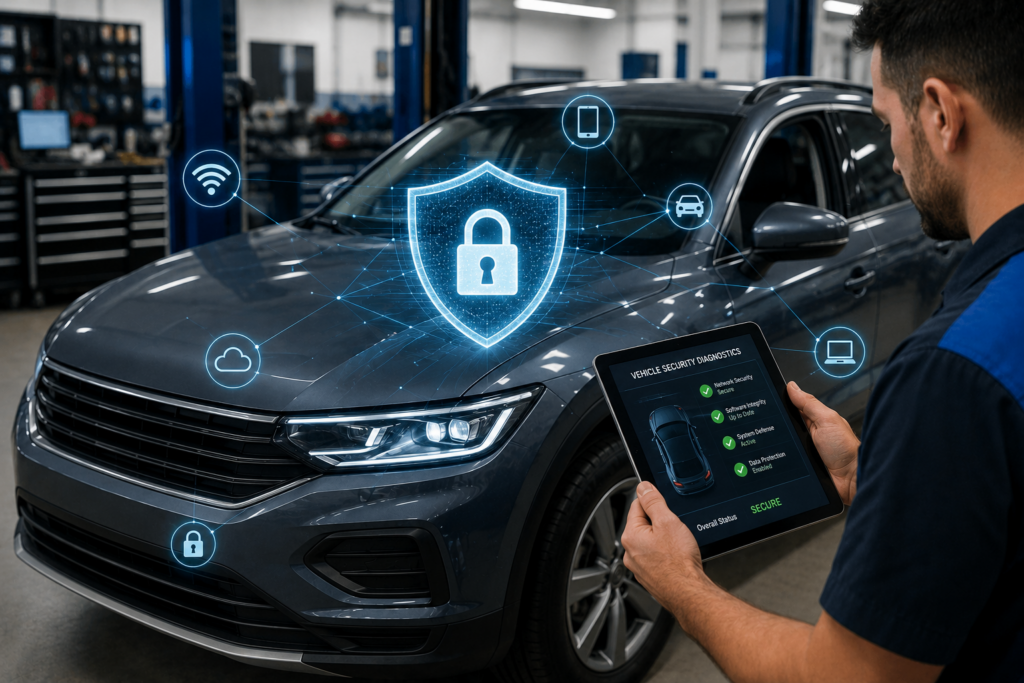
Connected car cybersecurity is becoming more important as modern vehicles rely on software, wireless features, mobile apps, Bluetooth, navigation, driver assistance systems, and remote diagnostics. Today’s vehicles are no longer just mechanical machines. They are connected technology platforms that need both physical maintenance and digital awareness.
Connected Car Cybersecurity Basics Every Driver Should Know
Modern vehicles are more advanced than ever. Many can connect to smartphones, download software updates, communicate with mobile apps, store driver preferences, track location, and support advanced safety features. These systems make driving more convenient, but they also create new questions about privacy, security, and maintenance.
Connected car cybersecurity does not mean drivers need to become computer experts. It means understanding how digital vehicle features work, why software updates matter, and what simple habits can help reduce risk. As vehicles become more connected, everyday maintenance now includes more than oil changes, tire pressure, brakes, and batteries.
Mike Golin Automotive already discusses modern repair topics such as ADAS calibration and safety systems, digital twins in vehicle diagnostics, and over the air vehicle software updates. Connected car cybersecurity fits naturally with those topics because the more vehicles depend on software and data, the more important secure maintenance becomes.
What Connected Car Cybersecurity Means
 Connected car cybersecurity refers to protecting a vehicle’s digital systems from unauthorized access, unsafe software behavior, data misuse, and communication problems. A connected vehicle may include wireless features that link the car to smartphones, cloud services, navigation systems, service tools, or automaker apps.
These features can be helpful. Drivers may use a mobile app to lock or unlock the vehicle, check fuel or battery status, locate the car, schedule service, or receive maintenance alerts. Some vehicles can also receive software updates remotely, which may improve safety features, fix bugs, or update system performance.
The challenge is that every connected feature creates another point where security and privacy matter. A weak password, outdated software, unsecured phone, or ignored update can create problems. While serious vehicle hacking is not something most drivers face daily, digital care is becoming part of responsible vehicle ownership.
Connected vehicle features may include
- Bluetooth phone pairing
- Wi-Fi hotspot features
- Mobile vehicle control apps
- Navigation and location services
- Remote diagnostics and maintenance alerts
- Over the air software updates
- Driver assistance and safety system communication
Why Cybersecurity Now Matters in Auto Repair
Auto repair used to focus mainly on physical parts. A technician inspected the engine, brakes, suspension, fluids, tires, and electrical components. Those services still matter, but modern vehicles also depend on control modules, sensors, software, and electronic communication.
This means a repair shop may need to diagnose both mechanical and digital issues. A warning light may involve a failed sensor, outdated software, communication fault, calibration issue, or electrical problem. That is why modern diagnostics require more advanced tools and training.
This shift is part of a larger industry trend. Recent automotive repair discussions increasingly focus on connected vehicles, remote diagnostics, software-defined vehicles, ADAS, and access to repair data. These changes affect how independent repair shops diagnose and service newer cars.
For drivers, the key takeaway is simple: cybersecurity is not separate from maintenance anymore. It is connected to diagnostics, safety systems, software updates, and vehicle data access.
Common Cybersecurity Risks in Connected Cars
Most connected car risks come from everyday habits rather than dramatic hacking scenarios. For example, many drivers connect their phones to rental cars, dealership loaners, or vehicles they later sell without removing stored contacts, call logs, navigation history, or garage addresses. That can create privacy issues.
Another common risk is using weak passwords for vehicle apps. If a vehicle app controls locks, remote start, location tracking, or charging settings, the account should be protected carefully. Drivers should avoid reused passwords and turn on extra account security when available.
Software neglect can also create risk. Automakers may issue updates to improve performance, fix bugs, or address security concerns. Ignoring updates for long periods may leave the vehicle operating with older software. Industry cybersecurity reports continue to emphasize OTA software trust, connected vehicle risk, and the need for stronger protections across the auto ecosystem.
Common connected car risks include
- Weak passwords for vehicle mobile apps
- Old phones still paired to the vehicle
- Personal data left in infotainment systems
- Ignored software update notifications
- Unsecured Bluetooth or Wi-Fi settings
- Using unknown third-party devices in vehicle ports
- Not reviewing privacy settings after buying a used car
Bluetooth, Infotainment, and Stored Personal Data
One of the easiest areas for drivers to overlook is the infotainment system. When a phone is paired to a vehicle, the system may store contacts, call history, text message access, favorite destinations, and previous navigation routes. This may be convenient while driving, but it can become a privacy concern if the vehicle is sold, traded in, borrowed, or returned after a rental.
Drivers should delete personal data before selling or returning a vehicle. They should also remove old paired devices after changing phones. This is a simple step, but it is often missed.
For used vehicle buyers, it is smart to reset infotainment settings and review connected services after purchase. A previous owner’s phone, account, or saved address should not remain connected to the vehicle.
Software Updates and Security
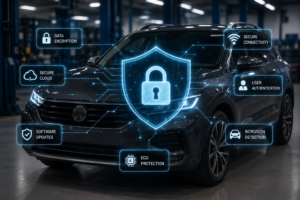 Software updates are an important part of connected vehicle care. Some updates improve infotainment features, while others may affect safety systems, charging behavior, diagnostics, or security. Drivers should read update notices carefully and avoid dismissing them without understanding what they address.
If an update fails repeatedly, or if the vehicle acts differently after an update, it may be worth having the system checked. A failed or incomplete update can sometimes create warning lights, feature glitches, or communication errors.
This connects directly with our guide on how OTA updates change car maintenance. As vehicles become more software-driven, update history can become useful information during diagnostics.
Helpful software update habits
- Read update descriptions before installing
- Install important updates when conditions are stable
- Keep notes if vehicle behavior changes afterward
- Do not ignore repeated update failures
- Ask a repair professional if warning lights appear after an update
Simple Cybersecurity Habits for Drivers
Drivers can reduce connected vehicle risks with a few practical habits. These steps do not require technical expertise. They are similar to basic digital safety habits people already use for phones, email, and online accounts.
Start with your vehicle app. Use a strong password, avoid sharing login access casually, and check whether two-factor authentication is available. If you sell the vehicle, remove it from your account. If you buy a used vehicle, confirm the previous owner is no longer connected.
Next, review your infotainment system. Delete old phones, clear saved destinations if needed, and reset personal data before selling or trading the car. If you regularly use Bluetooth, only pair trusted devices.
Driver cybersecurity checklist
- Use a strong password for vehicle apps
- Turn on two-factor authentication when available
- Remove old phones from Bluetooth settings
- Delete personal data before selling or returning a vehicle
- Review connected services after buying a used car
- Avoid unknown plug-in devices or suspicious accessories
- Keep software updates current
How Repair Shops Fit Into Connected Car Security
Repair shops increasingly work with software, scan tools, service portals, calibration systems, and digital vehicle data. This makes professional diagnostics important when connected features stop working correctly.
A modern repair process may include checking fault codes, module communication, software version information, sensor operation, and calibration status. If the issue involves warning lights, connectivity problems, or safety systems, guessing is not enough.
This is why it helps to choose a shop that understands modern vehicle systems. Our guide on why choosing the right auto repair shop matters explains why diagnostic capability matters more as vehicles become more advanced.
Connected Cars and the Right to Repair Conversation
Connected vehicle technology has also created a wider debate about repair access. As vehicles collect more data and rely on manufacturer-controlled systems, independent repair shops may need proper access to diagnostic information, tools, and software procedures to service vehicles effectively.
Recent reporting has discussed the REPAIR Act and right-to-repair debate, including concerns that newer cars are becoming harder and more expensive to fix when repair data is limited. This issue matters because drivers should have safe, secure, and practical repair options.
Final Thoughts
Connected car cybersecurity is now part of modern vehicle ownership. Drivers do not need to fear vehicle technology, but they should understand that connected features require smart habits. Software updates, mobile apps, Bluetooth settings, privacy controls, and diagnostic systems all play a role in keeping a vehicle dependable and secure.
The best approach is balanced. Keep up with regular maintenance, pay attention to warning lights, protect your vehicle accounts, and do not ignore software or connectivity issues. As cars become more connected, digital awareness becomes another way to take care of your vehicle.
Helpful references: NHTSA vehicle cybersecurity, FTC guidance on cars and consumer data, and CISA cybersecurity advisories.