
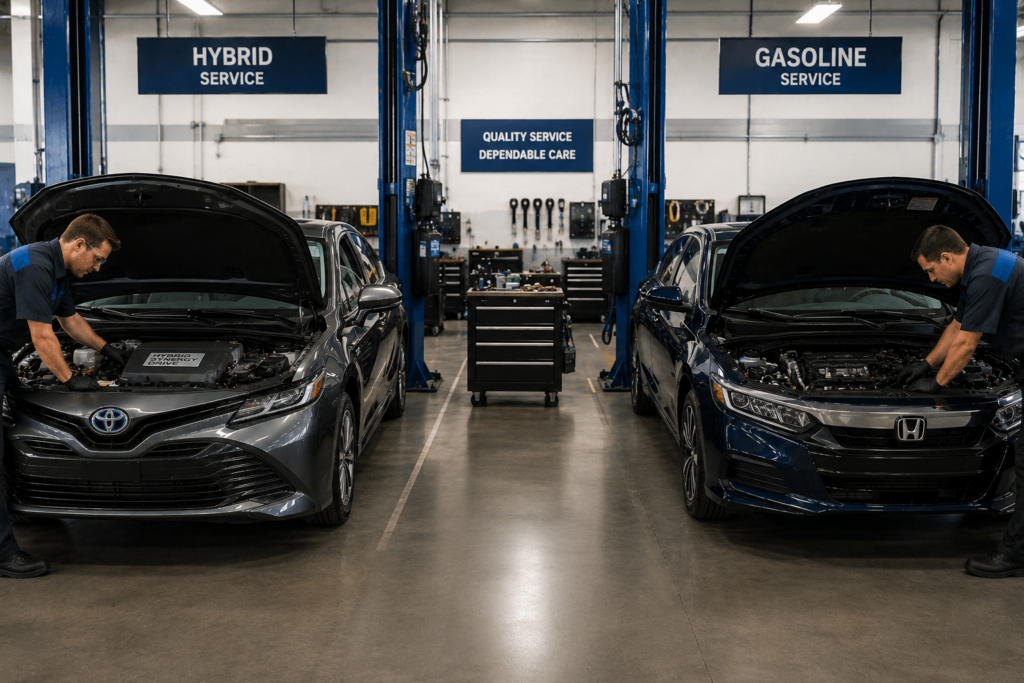
Hybrid vehicles combine electric power with a traditional gas engine, which changes how maintenance works over time. While hybrids often reduce fuel consumption and engine strain, they still require regular inspections, fluid checks, brake service, and system monitoring to stay reliable.
Hybrid vs Gas Car Maintenance What Actually Changes
As more drivers consider hybrid vehicles, one of the most common questions is whether maintenance becomes easier or more complicated compared to a traditional gas powered car. The answer usually falls somewhere in the middle. Hybrid vehicles can reduce wear on certain components, but they also introduce additional systems that require attention.
Many people assume hybrids eliminate maintenance completely. That is not accurate. Hybrid ownership still involves routine care, diagnostics, and inspections. The difference is that maintenance priorities shift. Instead of focusing heavily on engine related wear, hybrid vehicles place more attention on battery systems, regenerative braking, cooling components, and electronic controls.
If you already read our article on basic vehicle maintenance, hybrid ownership builds on many of the same principles while adding a stronger focus on electrical systems and energy management.
What Makes Hybrid Vehicles Different
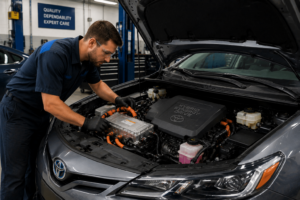 Hybrid vehicles use both an internal combustion engine and an electric motor. Depending on driving conditions, the vehicle may switch between these systems automatically or use both at the same time. This setup helps improve fuel efficiency and reduce engine workload during certain driving situations.
Because the engine does not always handle the full workload, some mechanical components may experience less wear compared to a traditional gas vehicle. However, hybrids also include additional systems that standard vehicles do not have, including high voltage batteries, electric motors, inverters, and advanced cooling systems.
This combination of mechanical and electrical systems means hybrid diagnostics can sometimes be more complex. Repair shops often use advanced scan tools and software monitoring to identify issues accurately.
Key components unique to hybrids
- High voltage battery systems
- Electric drive motors
- Power inverters and converters
- Regenerative braking systems
- Battery cooling components
Oil Changes Still Matter
One common misconception is that hybrid vehicles no longer need oil changes. In reality, hybrids still use a gas engine, which means engine oil remains important. However, because the electric motor shares part of the driving workload, the engine may run less often during city driving or stop and go traffic.
That reduced engine use can sometimes lower overall wear, but regular oil changes still support engine performance and long term reliability. Delaying oil service may still lead to buildup, lubrication problems, and increased engine strain over time.
Drivers who want a deeper understanding of fluid maintenance may also find our article on cooling system care and overheating prevention useful because many hybrids rely heavily on stable temperature management.
Brake Systems and Regenerative Braking
One major difference between hybrid and gas vehicle maintenance involves braking systems. Most hybrid vehicles use regenerative braking technology, which helps recover energy during deceleration and sends that energy back to the battery.
Because regenerative braking assists with slowing the vehicle, traditional brake pads and rotors may experience less wear than they would in a standard gas powered vehicle. In some cases, hybrid brake components can last significantly longer.
However, that does not mean brake inspections should be ignored. Brake systems still require regular monitoring for corrosion, fluid condition, electronic brake control performance, and physical wear.
Hybrid braking system maintenance may include
- Brake fluid inspections
- Electronic brake diagnostics
- Brake pad and rotor condition checks
- Regenerative braking system calibration
Battery Systems Require Attention
The hybrid battery is one of the most discussed parts of hybrid ownership. While these batteries are designed for long term use, they still require monitoring and proper cooling to operate efficiently.
Battery performance can gradually change over time depending on driving conditions, temperature exposure, charging behavior in plug in hybrids, and general vehicle use. Cooling systems also play an important role because excess heat can affect battery efficiency.
This topic connects naturally with our article on software driven vehicle maintenance, since many hybrid systems rely heavily on electronic monitoring and software controlled energy management.
Common battery related concerns
- Reduced fuel efficiency
- Battery cooling fan blockages
- Warning lights or system alerts
- Changes in battery charging behavior
Cooling Systems Become More Important
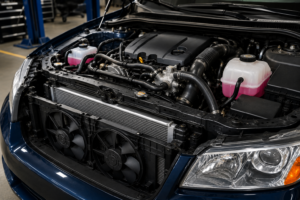 Traditional gas vehicles rely on cooling systems to regulate engine temperature. Hybrids often add additional cooling demands because battery systems, power electronics, and electric motors may also require temperature management.
That means coolant condition, cooling fans, hoses, and circulation systems become especially important in hybrid maintenance. If cooling performance drops, both engine and battery related systems may be affected.
Drivers who notice warning lights, rising temperatures, or reduced system performance should avoid ignoring those signs. Early inspections may help identify small issues before they become larger repair concerns.
Diagnostics and Software Monitoring
Modern hybrids depend heavily on software and communication between electronic control modules. Sensors constantly monitor battery condition, energy flow, braking behavior, and charging performance.
As a result, hybrid diagnostics often involve more than traditional mechanical inspection. Repair shops may need to analyze software data, communication signals, and system calibration to identify the source of a problem accurately.
This shift toward software based diagnostics is similar to what we discussed in our article on digital vehicle diagnostics.
Hybrid diagnostics may involve
- Battery health scans
- Electronic system communication checks
- Sensor calibration verification
- Software update confirmation
Long Term Maintenance Expectations
Hybrid vehicles can reduce wear on certain parts, particularly brakes and engine components during city driving. However, they still benefit from consistent maintenance routines and regular inspections.
The biggest difference is not that hybrids eliminate maintenance. Instead, the focus changes toward balancing mechanical care with electrical system monitoring and software awareness.
Drivers who stay aware of battery condition, cooling system health, brake performance, and diagnostic alerts often have a better understanding of how their hybrid vehicle performs over time.
Final Thoughts
Hybrid maintenance differs from traditional gas vehicle maintenance because hybrids combine two systems into one platform. While they may reduce wear in certain areas, they also introduce advanced electrical systems that require proper monitoring and diagnostics.
Understanding those differences helps drivers make more informed maintenance decisions and recognize why hybrid care involves both traditional mechanical service and modern electronic system management.
Helpful references: U.S. Department of Energy hybrid vehicle basics, Consumer Reports hybrid maintenance guide, and NHTSA hybrid vehicle safety information.