
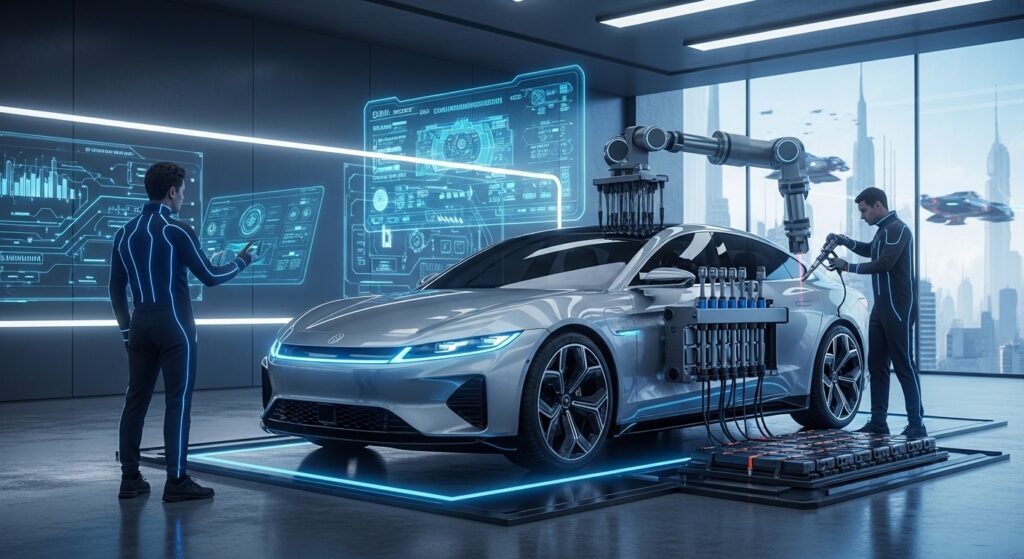
The automotive industry is undergoing a significant transformation, with electric vehicles (EVs) leading the charge. As more drivers make the switch from traditional gas-powered cars to electric models, the maintenance needs of these vehicles are evolving. While EVs may have fewer moving parts than their internal combustion engine counterparts, they still require specialized care. In this blog post, we will explore the future of EV maintenance, key trends, and how EV owners can keep their vehicles in top condition for years to come.
Understanding EV Maintenance
Electric vehicles are known for their simplicity and efficiency compared to traditional vehicles. However, this does not mean they are maintenance-free. EVs are designed to be lower-maintenance than gas-powered cars, but they still require routine check-ups and occasional repairs. The main difference is that the maintenance focus of an EV lies heavily on its electrical systems, battery health, and software updates.
Here’s a breakdown of the most important maintenance areas for EVs:
- Battery Care: The battery is the heart of an electric vehicle. EV owners need to monitor the health of the battery to ensure its longevity and optimal performance.
- Charging Systems: Regular maintenance of the charging system is crucial to ensure your vehicle charges quickly and efficiently.
- Braking System: Though EVs use regenerative braking, which extends the life of the brake pads, the braking system still requires periodic inspections and maintenance.
- Software Updates: Modern electric vehicles come with onboard computers that manage everything from the battery to the motor. Keeping these systems updated is essential for optimal performance.
- Tires: As with any car, regular tire maintenance is essential for safety and efficiency. EVs tend to be heavier than conventional cars due to the battery, so their tires may wear faster.
Why Battery Maintenance is Critical for EVs
At the heart of every electric vehicle is its battery, and battery maintenance is one of the most critical aspects of EV ownership. The battery not only powers the vehicle but also directly impacts its range, charging time, and overall performance.
Battery Health Monitoring
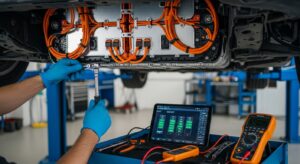 One of the most important features of modern EVs is their ability to monitor battery health. Most EV manufacturers now offer software that tracks battery health, charging cycles, and range capabilities. Owners should regularly check these diagnostics to ensure the battery is functioning as expected.
One of the most significant factors affecting battery life is charging habits. Charging an EV too frequently to 100% or letting the battery drop to 0% regularly can shorten its lifespan. Many experts recommend keeping the battery level between 20% and 80% for the longest lifespan. Additionally, temperature extremes can also affect battery performance. In colder climates, owners may need to use a garage or precondition the vehicle to prevent the battery from becoming too cold.
Battery Replacement and Recycling
Eventually, every EV battery will degrade and need replacement. Most electric vehicle manufacturers offer warranties that cover the battery for at least 8 years or 100,000 miles. However, once the battery begins to degrade significantly, it will be time for a replacement.
As EVs become more popular, battery recycling technologies are improving. Many companies are now working on ways to recycle old EV batteries to reclaim valuable materials like lithium, cobalt, and nickel. This helps make the battery lifecycle more sustainable and eco-friendly. Learn more about the recycling process for EV batteries on GreenTech Media.
Charging Systems: Ensuring Your EV is Always Powered
Maintaining the charging system is another crucial aspect of EV upkeep. Electric vehicles rely on an extensive network of charging stations, both at home and on the road. Regular checks of your EV’s charging port and cables ensure efficient charging and prevent issues like faulty connections or power loss.
Home Charging Stations
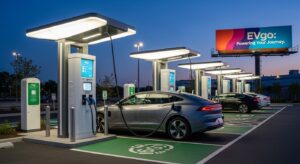 If you use a home charging station, it’s important to regularly inspect the equipment. Make sure the charger is compatible with your vehicle, the cable is in good condition, and the charging port is clear of debris. Regular maintenance of your home charging system ensures that your EV is always ready to hit the road.
Some advanced charging stations come with built-in diagnostics that can alert you to any issues, such as power surges or faulty connections. Monitoring these systems can help prevent problems before they become significant issues. For more information on the latest charging stations, visit ChargePoint.
Public Charging Infrastructure
As the EV market grows, so does the public charging infrastructure. Major cities and highways are becoming more equipped with fast-charging stations, allowing for quick recharges during long trips. However, not all public charging stations are created equal. EV owners must be aware of the station’s power output and whether it is compatible with their vehicle’s charging specifications.
Regenerative Braking System: Maintaining Efficiency
One of the key differences between traditional cars and electric vehicles is the use of regenerative braking. Regenerative braking allows the vehicle to recover some of the energy typically lost during braking and send it back to the battery. While this system reduces the wear and tear on brake pads, it doesn’t eliminate the need for brake maintenance entirely.
EV owners should still have their braking systems checked periodically. This includes inspecting the brake fluid, checking for signs of wear on the brake pads, and ensuring the brake rotors are in good condition. Although regenerative braking reduces the frequency of brake pad replacement, regular brake system inspections are still necessary for safety.
EV Software Updates: Staying Ahead of the Curve
One of the most unique aspects of owning an electric vehicle is the need for regular software updates. Most modern EVs come equipped with advanced computer systems that manage everything from battery charging to driving performance. Over-the-air (OTA) updates are common in the EV world and ensure the vehicle remains up-to-date with the latest improvements and fixes.
These updates can include improvements to driving dynamics, battery efficiency, and new features like enhanced driver assistance systems. As the software becomes more sophisticated, it will continue to play a crucial role in the ongoing maintenance and optimization of electric vehicles. Tesla, for example, is known for its frequent over-the-air updates. You can learn more about these updates on Tesla’s official website.
The Role of Artificial Intelligence in EV Maintenance
As artificial intelligence (AI) becomes more integrated into vehicle systems, it is expected to play a significant role in EV maintenance. Future EVs may be equipped with AI-driven diagnostics that can detect potential issues before they occur. These systems will be able to provide real-time maintenance recommendations based on the vehicle’s data and usage patterns.
AI can also help EV owners by suggesting personalized maintenance schedules based on driving behavior, battery health, and environmental factors. This predictive approach to maintenance will be a game-changer for EV owners looking to keep their vehicles in peak condition without having to rely on traditional, reactive maintenance methods. Learn more about AI applications in EV maintenance from AI News.
How to Prepare for the Future of EV Maintenance
The future of electric vehicle maintenance is undoubtedly exciting, with advanced technologies transforming the way we care for our cars. However, it’s important to stay proactive and prepare your EV for long-term performance. Here are some steps you can take to ensure your EV remains in top condition:
- Regularly check your EV’s battery health: Use diagnostic tools to monitor your battery’s performance and keep track of charging cycles.
- Schedule routine maintenance: Even though EVs have fewer moving parts, regular maintenance checks are still necessary to ensure the braking system, charging components, and other critical systems are functioning properly.
- Stay updated with software releases: Make sure your EV’s software is always up-to-date to benefit from the latest improvements and security patches.
- Plan for future battery replacement: As your EV’s battery ages, it will eventually need to be replaced. Stay informed about recycling options and battery warranties offered by your vehicle’s manufacturer.
Conclusion: The Road Ahead for EV Maintenance
The future of electric vehicle maintenance is filled with new technologies, innovative approaches, and an emphasis on sustainability. As EVs become more common, the automotive industry will continue to evolve, and maintenance practices will need to keep pace. By staying informed about your EV’s unique maintenance needs and embracing technological advancements, you can ensure your vehicle remains in excellent condition for many years to come.